
Introduction – Compact Design Meets Big Ambition
The Dacia Hipster is not your typical electric vehicle—it’s a bold new concept from budget legend Dacia, redefining what affordable electric mobility can be.
Measuring just 3.0 metres in length, this ultra-boxy EV packs a four-seat cabin, modular boot, and under-€15,000 target price.
Unveiled officially at the 2025 Paris Motor Show, the Dacia Hipster blends minimalism, function, and affordability. Dacia wants to show that smart, urban EVs don’t need to be expensive or oversized — they just need to make sense for real people.
🧩 Design & Exterior – Ultra-Boxy, Practical and Purposeful
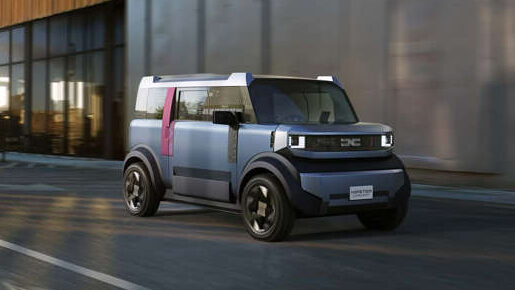
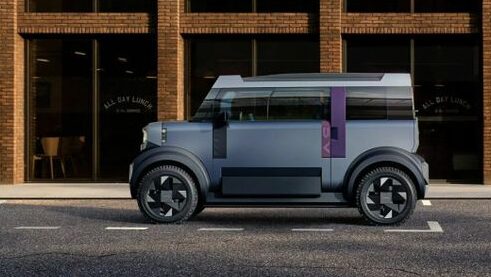
The Dacia Hipster design is unapologetically boxy. With squared edges, vertical panels, and compact proportions, it resembles a futuristic mini SUV for tight European streets.
Key design highlights:
- Compact footprint: 3.0 m long, 1.55 m wide, 1.53 m tall
- Under 800 kg weight — 20% lighter than the Dacia Spring
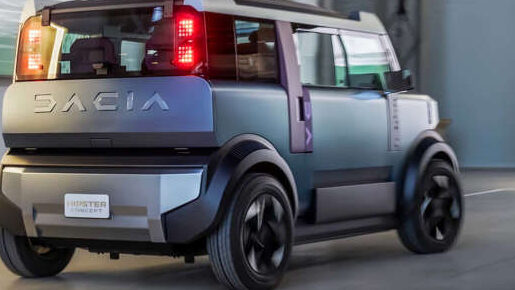
- Slim LED lamps, fabric door straps, and sliding windows instead of heavy mechanisms
- 500 L of boot space (with rear seats folded)
- Recycled interior materials and a flat floor for efficient use of space
The styling proves that form follows function. Every line has purpose — aerodynamics, efficiency, and simplicity.
⚙️ Architecture, Powertrain & Efficiency – Minimalist but Smart
Although Dacia hasn’t released full technical details yet, the Hipster’s architecture focuses on smart simplicity and lightweight efficiency:
- Estimated 150 km range — enough for daily city use
- Top speed: ~90 km/h
- Target weight: Under 800 kg for better energy use
- Electric motor: Compact single-motor FWD setup
- Battery: Smaller modular pack for affordability and quick charging
- Platform: Could share elements with Renault’s CMF-A EV architecture
Dacia says the average city driver travels just 40 km per day, so the Hipster is engineered to meet exactly that — no excess, just efficiency.
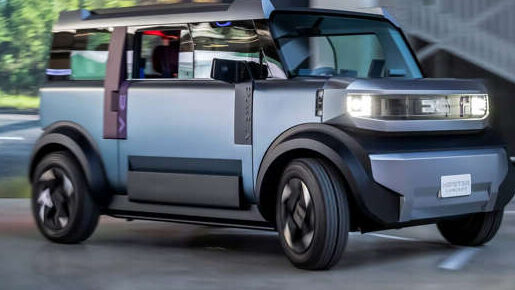
Table of Contents
🔋 Range, Charging & Practicality – Built for Urban Life
The Hipster’s range may sound modest, but for a city car, it’s more than enough.
With a lightweight body, regenerative braking, and energy-saving tires, Dacia claims up to 150 km per charge on real-world cycles.
Charging details (expected):
- DC fast charging: 10–80% in under 40 minutes
- AC wall box (7 kW): Full charge in ~5–6 hours
- Regular socket (3 kW): Overnight charge (~8–10 hours)
The small battery size keeps the price affordable while lowering environmental impact.
Perfect for students, city commuters, or fleets — simple, smart, and low-cost to own.
🛡️ Safety & Interior Features – Minimal Yet Smart
Inside, the Dacia Hipster reflects simplicity and creativity. Instead of luxury overload, it gives you what you actually need:
- Smartphone dock replaces infotainment screen
- YouClip system: 11 mounting points for custom accessories (Bluetooth speaker, cup holder, hooks)
- Mesh fabric seats for light weight and comfort
- Sliding windows and door straps instead of complex components
- Rear folding seats to boost cargo capacity
Safety features are expected to include dual airbags, ABS, EBD, and basic stability assist systems in production models.
💰 Price & Launch Timeline – Affordable EV Vision
The Dacia Hipster is positioned to challenge ultra-budget EVs and redefine value mobility.
- Concept debut: October 2025, Paris Motor Show
- Expected production launch: Mid-2026 (Europe)
- Target price: Below €15,000 (~₹13.5 Lakh / $17,500)
- Pre-production testing: Underway in Romania & France
- Deliveries expected: By end of 2026 in Europe
Dacia aims to start limited production by early 2026, depending on the EU’s new “E-Car category” approval for lightweight electric vehicles.
✅ Pros & ❌ Cons
Pros:
✅ Compact, easy to park and drive in tight spaces
✅ Extremely lightweight — better efficiency and range
✅ Four full-size seats in just 3 m length
✅ Affordable sub-€15K pricing target
✅ Innovative “YouClip” interior customization
Cons:
❌ Limited range (150 km approx.)
❌ Still a concept — final specs may change
❌ Not suitable for long highway drives
❌ Comfort and infotainment are minimalist
📊 Specifications (Expected)
| Category | Details |
|---|---|
| Model | Dacia Hipster |
| Type | Compact EV (City Hatchback Concept) |
| Length | 3.0 m |
| Width | 1.55 m |
| Height | 1.53 m |
| Weight | Under 800 kg |
| Motor | Single Electric Motor (FWD) |
| Battery | Modular Lithium-Ion Pack |
| Range | Up to 150 km |
| Top Speed | ~90 km/h |
| Seats | 4 Full Size |
| Boot Space | Up to 500 L (Folded) |
| Launch | Mid-2026 (Expected Europe) |
| Price | Under €15,000 (~₹13.5 Lakh) |
🏁 Conclusion – A Bold Step Toward Simple Electric Freedom
The Dacia Hipster isn’t just a car; it’s a fresh idea — how to make electric mobility truly accessible.
Its boxy charm, small footprint, and budget-friendly approach could make it a people’s favorite in cities worldwide.
If Dacia delivers on its promise — sub-€15K price, lightweight design, and 2026 rollout — the Hipster may become the symbol of affordable electric mobility for the next generation.
✅ Dacia Hipster – Tiny Car. Big Idea. Electric for Everyone.
READ MORE – 2025 Yezdi Roadster – Attractive First Look, Price ₹2.10 Lakh, Engine Specs & Custom Kits
❓ Frequently Asked Questions (FAQs)
Q1: What is the Dacia Hipster?
A1: A new ultra-compact, ultra-boxy EV concept by Dacia designed for affordable city mobility.
Q2: When is the Dacia Hipster launching?
A2: It will debut in production form by mid-2026, following its concept reveal in October 2025.
Q3: What is the expected price?
A3: Dacia targets a price below €15,000, making it one of Europe’s most affordable EVs.
Q4: What is the range?
A4: Around 150 km per charge in city conditions.
Q5: How big is it?
A5: Just 3 metres long, 1.55 m wide, and 1.53 m tall — perfect for tight spaces.
Q6: How many people can it seat?
A6: It has seating for four adults.
Q7: What are the key design features?
A7: Ultra-boxy design, fabric door straps, “YouClip” mounts, and lightweight build.
Q8: Will it come to India?
A8: Not yet confirmed — initial focus is on European markets.
Q9: What materials are used?
A9: Recycled plastics, lightweight aluminum, and fabric components.
Q10: Who is it for?
A10: Urban users who want an affordable, eco-friendly daily EV.