
The men’s figure skating event at the 2026 Winter Olympics is an upcoming competition that remains largely under development. At this stage, most details are based on expectations, historical Olympic patterns, and trends seen in recent international figure skating seasons. With the Games set to take place in Italy as part of Milano Cortina 2026, organizers are expected to follow established Olympic and ISU frameworks, though final decisions have yet to be officially confirmed.
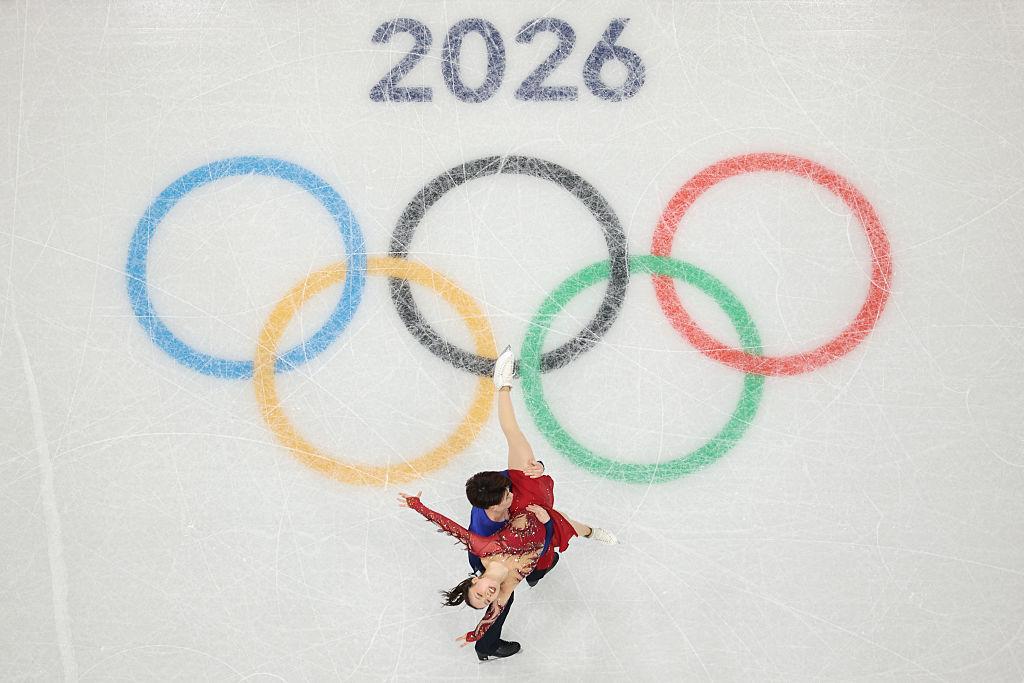
This article outlines what the men’s figure skating competition could look like in 2026, depending on scheduling norms, athlete preparation trends, and how the sport continues to evolve ahead of the Games.
Daily Practicality and Event Flow
From a practical standpoint, the men’s figure skating event would likely be divided into two main competitive days. Based on previous Olympics, the short program and free skate may be scheduled separately, allowing athletes time to recover and adjust between segments. This structure typically helps reduce injury risk and supports more consistent performances.
For viewers, especially those watching internationally, broadcast timings could be more accessible compared to recent Asian-hosted Winter Games, depending on regional time zones and broadcaster decisions.
Expected Competition Features and Format
Smart Competitive Structure
Men’s figure skating at the Olympics traditionally follows a two-part format: a short program followed by a free skate. This format is deeply embedded in ISU competition standards and would likely continue in 2026. While the core structure may remain stable, judging emphasis could shift slightly depending on how scoring trends develop in the seasons leading up to the Games.
Technical balance is expected to matter more than ever. Compared to earlier Olympic cycles, skaters in 2026 may prioritize cleaner programs with fewer errors rather than maximizing jump difficulty at all costs.
Athlete Safety and Load Management
Although figure skating does not involve protective equipment in the traditional sense, athlete safety increasingly revolves around training load and competition scheduling. With quad jumps placing significant stress on the body, organizers and coaching teams would likely pay close attention to rest periods and ice conditions.
Compared to past decades, the 2026 men’s event may reflect a more health-conscious competitive approach, aiming to extend athlete careers while maintaining high technical standards.
Premium Performance Possibilities
At the Olympic level, “premium” performance often means a combination of difficulty, execution, and artistry. In 2026, leading skaters from historically strong figure skating nations could present programs that balance multiple quadruple jumps with refined choreography.
Compared to earlier Games where raw technical difficulty dominated narratives, the 2026 competition may reward skaters who manage risk effectively and deliver complete performances across both segments.
Performance Trends and Technical Efficiency
Men’s figure skating performance in 2026 is expected to fall within a wide technical range rather than pushing uniformly toward higher difficulty. While multiple quad jumps would likely remain common among top contenders, overall efficiency—clean landings, stable spins, and strong skating skills—may play a decisive role.
Compared to previous Olympics, where aggressive jump layouts sometimes led to inconsistent results, the 2026 event could highlight skaters who optimize their programs for reliability and scoring balance.
Figure Skating Olympics 2026 Schedule Expectations
The figure skating Olympics 2026 schedule has not yet been officially released. However, based on prior Winter Games, the men’s short program may take place during the middle phase of the Olympic fortnight, followed by the free skate one or two days later.
Men’s figure skating is often positioned as a headline event within the figure skating calendar, which could make it a key attraction during peak viewership periods. Final dates and session times would depend on venue readiness, broadcasting considerations, and the overall Olympic event sequence.
Ticket Pricing, Access, and Viewing Options
Official ticket prices for men’s figure skating at the 2026 Winter Olympics have not been announced. Historically, Olympic figure skating tickets fall within broad price ranges, depending on seating location and competition segment. Short program sessions may be more affordable, while free skate events would likely command higher prices.
For fans unable to attend in person, broadcast and streaming access could remain the most practical option. Compared to earlier Olympics, digital viewing availability may be wider, reflecting growing demand for flexible, on-demand sports coverage.
Long-Term Value for Fans and Followers
From a fan engagement perspective, following men’s figure skating at the Olympics has become more accessible over time. With increased online coverage, official replays, and athlete-driven content, fans may no longer need extensive travel or premium subscriptions to stay informed.
Compared to past Olympic cycles, the 2026 Games could offer broader global access, allowing casual viewers and dedicated followers alike to engage with the sport more easily.
Who Should Follow Men’s Figure Skating in 2026?
The men’s figure skating event at the 2026 Winter Olympics would likely appeal to a wide audience:
- Long-term figure skating fans tracking technical and artistic evolution
- Casual Olympic viewers drawn to short, high-impact competitions
- Younger audiences following individual skaters through international events
- Analysts interested in how judging trends influence competitive strategies
Compared to many winter sports, men’s figure skating remains positioned as a globally recognizable and widely followed Olympic discipline.
How 2026 May Compare to Previous Olympic Cycles
When compared to the 2018 and 2022 Winter Olympics, the 2026 men’s figure skating competition may appear more refined than experimental. Instead of dramatic format changes, incremental shifts in judging emphasis and athlete strategy could shape outcomes.
This positions the 2026 event as a continuation of modern figure skating’s evolution—where calculated risk, consistency, and performance quality may matter as much as technical ambition.
Disclaimer
This article is based on expectations and publicly available information.
Final specifications, pricing, scheduling, and availability may change based on official announcements.
Olympic skating fans guide 2026